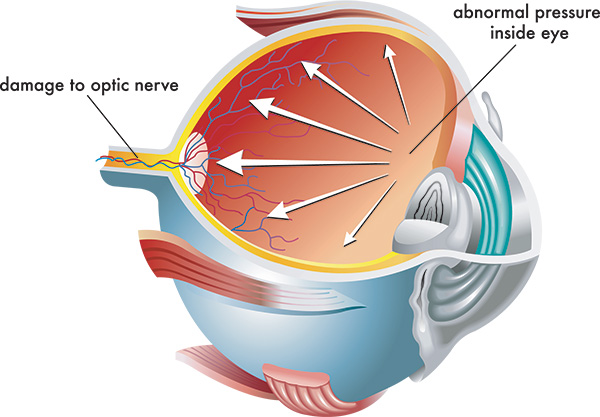
Glaucoma often develops quietly; many patients feel no symptoms in early stages, yet vision loss can occur if it’s not treated early. We focus on early detection, long-term monitoring, and preserving the vision you already have; calmly, clearly, and without alarm.
Glaucoma-related vision loss is permanent; but preventable with timely treatment. The goal is not just treatment, but lifelong protection.
Eye pressure monitoring
Visual field testing
OCT nerve imaging
Eye drops
Laser treatments like SLT
Surgical options when appropriate
We explain each step in clear, reassuring language so you always understand your plan

Visual field testing is commonly performed to measure the extent and sensitivity of peripheral vision. This is where glaucoma patients show the earliest signs of vision loss. The tool can help assess changes in peripheral vision and to help screen for the disease in conjunction with other testing.
Optical Coherence Tomography (OCT) is also commonly used and the latest versions of these devices are available at Prism Eye Institute. This high-tech equipment produces a highly detailed image of the layers within the eye within minutes. Your doctor will use OCT to assess the thickness and health of the retina, macula, optic nerve and more, all without even touching the eye. For glaucoma, OCT of the layers around the optic nerve can help your doctor identify glaucoma-related defects before they appear in one’s vision and well before a patient would notice any symptoms.
Anterior Segment OCT is useful in evaluating the degree of narrow angles and monitoring patients at risk of angle-closure glaucoma. It can help identify subtle anatomical abnormalities, making it a highly essential tool for glaucoma management.
Optos is a wide-field retinal imaging device, providing a comprehensive view of the entire retina, to help your doctor identify any other glaucoma defects that could affect a Patient’s glaucoma management.
How to Prepare
Bring prior eye records
Bring medication lists
Expect dilation and pressure testing
When to book:
Family history of glaucoma
High eye pressure
Concerns about long-term vision protection
OHIP vs Non-OHIP
OHIP-Covered:
Glaucoma exams
OCT imaging
Visual field tests
Laser and surgical treatment when indicated
Optional Non-OHIP:
Advanced progression tracking
Enhanced nerve analysis imaging
Learn more about your testing options
SLT laser is used when angles are open and lowers eye pressure by stimulating cells inside the eye to clean the drain (trabecular meshwork).
Iridotomy is used to help open narrow or closed angles by flattening the iris profile
Glaucoma Surgery
There are a number of surgical options that can help patients achieve additional eye pressure control. Some surgeries are minimally invasive and allow for relatively quick post-surgical recovery.
When greater pressure lowering is required, a surgeon may recommend a more involved surgery and recovery can take weeks. Glaucoma surgery is tailored to each patient’s unique situation.
Glaucoma specialist with advanced training in glaucoma surgery can discuss these options with you and recommend the right one for you.
Talk to your optometrist if you do not currently have a glaucoma specialist, or contact us to see one of our dedicated optometrists
Frequently Asked Questions
Most people don’t notice symptoms until vision loss occurs. When they do appear, you may experience:
Blurred or patchy vision
Gradual loss of peripheral (side) vision
Halos around lights
Eye pain, redness, or headache (especially in acute cases)
Sudden vision changes or nausea (in severe cases)
There is no cure for glaucoma, but early diagnosis and proper treatment can prevent or slow further vision loss.
Yes — family history is a significant risk factor. If you have close relatives with glaucoma, regular eye exams are important for early detection.
Risk factors include:
Age over 40
Family history of glaucoma
High eye pressure
Diabetes or hypertension
Long-term steroid use
African, Asian, or Hispanic ancestry
Without treatment, glaucoma can cause irreversible vision loss and eventually blindness. Early diagnosis, consistent treatment, and follow-up care are essential to protect your sight.
Yes — adopting healthy habits can support eye health and treatment success:
Use prescribed eye drops consistently
Exercise regularly (as advised by your doctor)
Avoid smoking
Control blood pressure and blood sugar levels
Eat a balanced diet rich in leafy greens and antioxidants
You should not drive immediately after laser treatment (such as SLT or Iridotomy) because your vision may be temporarily blurred due to dilating drops or light sensitivity.
Most patients can resume driving the next day, once vision stabilizes and comfort returns. Always confirm with your doctor before driving.
Driving is not recommended for several days following glaucoma surgery. Vision may be blurred, and you’ll need time to recover safely.
Your surgeon will let you know when it’s safe to resume driving—typically after the first post-operative check-up when your eye pressure and healing are stable.
Laser treatments (like SLT or Iridotomy) usually require 1–2 days for recovery.
Glaucoma surgery (like trabeculectomy or tube shunt) can take several weeks for full healing. During this time, you’ll use prescribed drops and attend follow-up visits to monitor healing and eye pressure.
SLT stands for Selective Laser Trabeculoplasty.
In many cases, yes. Laser or surgical treatment can reduce your need for drops but often doesn’t eliminate them entirely. Your doctor will tailor your medication plan based on your eye pressure readings.